
Unveiling the Effects of Stress on Testosterone Levels
Written by Ben Bunting: BA, PGCert. (Sport & Exercise Nutrition) // Tactical Physical Training Instructor // Performance Coach.
The Endocrine Tug-of-War: How Chronic Stress and Cortisol Suppress Androgen Baselines
Stress is far more than a fleeting psychological state—it is a foundational disruptor of systemic homeostasis. While modern culture often treats stress as an abstract mental hurdle, your endocrine system experiences it as an immediate, physical threat to resource allocation.
When your body enters a prolonged state of survival, it deliberately prioritises short-term emergency functions over long-term physiological growth, tissue repair, and reproductive health. For men, this defensive shift triggers a direct, measurable decline in circulating testosterone.
Understanding the precise biological mechanisms behind this inverse relationship is the first step toward breaking a destructive hormonal cycle and reclaiming your physical potential.
The HPA Axis: The Mechanics of the Fight-or-Flight Cascade
When you encounter a stressor—whether it is an intense tactical operations window, a professional crisis, or severe sleep deprivation—your brain initiates a highly coordinated survival protocol known as the Hypothalamic-Pituitary-Adrenal (HPA) axis.
                 [Systemic / Psychological Stressor]
                                 │
                                 ▼
                     [Amygdala: Processes Threat]
                                 │
                                 ▼
              [Hypothalamus: Secretes CRH Gastric Signal]
                                 │
                                 ▼
                [Pituitary Gland: Releases ACTH]
                                 │
                                 ▼
          [Adrenal Glands: Secretes Cortisol & Adrenaline]
-
Threat Perception: The amygdala processes emotional inputs (fear, pressure, exertion) and flags an immediate threat, sending an emergency signal to the hypothalamus.
-
The Signalling Chain: The hypothalamus responds by secreting Corticotropin-Releasing Hormone (CRH), which instructs the pituitary gland to release Adrenocorticotropic Hormone (ACTH) into the bloodstream.
-
Adrenal Activation: Upon receiving ACTH, the adrenal glands (located atop the kidneys) immediately release catecholamines such as epinephrine (adrenaline) and glucocorticoids, primarily cortisol.
While adrenaline increases your immediate cardiac contractile strength, respiratory rate, and blood pressure to help you navigate an acute crisis, cortisol serves as the body's primary alert manager. It elevates circulating blood glucose, shifts energy toward major muscle groups, and systematically down-regulates "non-essential" systems like digestion, immune function, and reproductive hormone synthesis.
Cortisol vs. Testosterone: The Catabolic Shift
The biological relationship between cortisol and testosterone is fundamentally antagonistic. Testosterone is an anabolic hormone; its primary role is to build, repair, and reinforce muscle tissue, bone density, and cognitive infrastructure. Cortisol, by contrast, is highly catabolic; its job is to break down complex molecules into immediate fuel.
When chronic stress keeps cortisol levels continuously elevated, it actively suppresses the Hypothalamic-Pituitary-Gonadal (HPG) axis—the system responsible for telling your testes to manufacture testosterone. High circulating cortisol directly blunts the release of Gonadotropin-Releasing Hormone (GnRH), leading to a drop in Luteinizing Hormone (LH). Without LH signalling, natural testosterone production slows to a crawl.
Statistical Realities: Stress and Endocrine Suppression Data
The physiological cost of stress is backed by clear, measurable data across various populations and demographic groups. Because chronic strain changes biological baselines, clinical and behavioural health studies track these shifts closely:
Statistical Impact of Stress on Population and Endocrine Baselines
| Demographic / Population Cohort | Documented Statistical Metric | Specific Physiological Impact |
| General Adult Population (All Groups) | 77% of individuals regularly report experiencing physical symptoms caused by stress. | Drives systemic allostatic load and disrupts normal sleep-wave architecture. |
| High-Stress Corporate / Shift Workers | Show an average 10% to 15% reduction in circulating total testosterone compared to low-stress peers. | Sustained occupational strain keeps cortisol elevated during standard recovery windows. |
| Active-Duty Military / Tactical Operators | Up to 50% or more present with sub-optimal androgen profiles during high-tempo field deployments. | Combined physical exertion, low sleep, and tactical stressors overwhelm anabolic signalling. |
| Socioeconomically Vulnerable Demographics | Present with substantially higher baseline cortisol curves and steeper age-related androgen declines. | Systemic, long-term environmental stressors cause premature wear on the endocrine system. |
The Symptom Overlap: Deciphering the Vicious Cycle
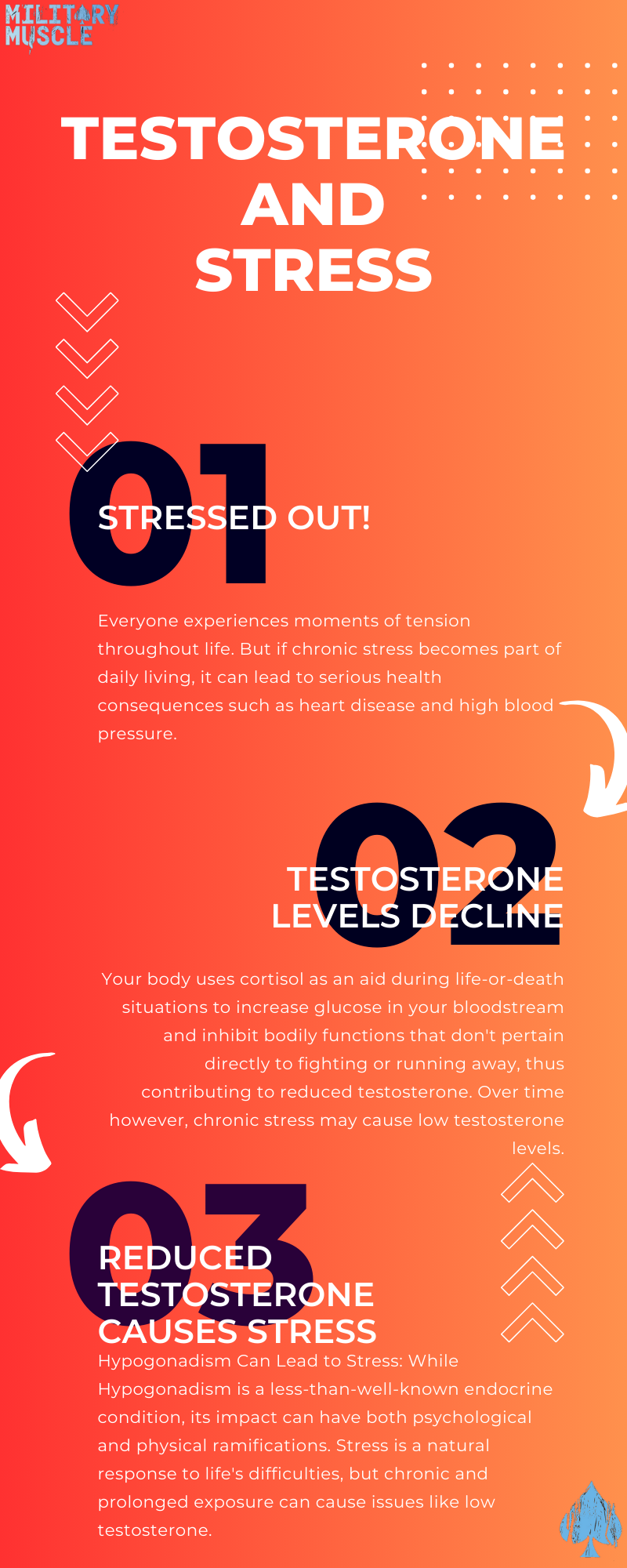
One of the most challenging aspects of diagnosing stress-induced androgen suppression is that chronic stress and low testosterone share nearly identical physiological markers. This creates a self-reinforcing downward spiral.
[Elevated Chronic Stress] ──► [Sustained Cortisol Spike] ──► [Suppressed Testosterone Levels]
           ▲                                                                 │
           │                                                                 ▼
[Increased Stress Vulnerability] ◄── [Loss of Muscle, Fatigue, Low Drive] ◄──┘
Because low testosterone directly reduces your natural resilience to psychological pressure, the physical drop in your androgen baseline makes you more vulnerable to everyday stressors. This triggers even more cortisol release, locking the cycle in place.
Symptom Profiling: Overlapping Indicators
-
Fatigue & Vitality: Chronic stress causes neurological exhaustion; low testosterone impairs mitochondrial efficiency and red blood cell production, resulting in profound, unrefreshing fatigue.
-
Body Composition: High cortisol acts as a signal for the body to store visceral fat and break down muscle tissue via protein degradation. Low testosterone levels accelerate this lean tissue loss while making fat accumulation easier.
-
Cognitive Clarity: Both states are clinically linked to memory lapses, impaired concentration, reduced confidence, and a generally depressed or irritable mood profile.
The Metabolic Cast of Characters Under Stress
To properly manage your recovery, it is essential to look at the entire cast of hormones that shift during catabolic windows:
-
Glucocorticoids (Cortisol): These hormones break down proteins and RNA in muscle, skin, and connective tissue to provide quick energy, making them necessary for acute survival but destructive when chronically active.
-
Glucagon: This catabolic hormone acts in opposition to insulin. It elevates blood glucose and fatty acid levels during stress, keeping your metabolism on a continuous war footing.
-
Growth Hormone (GH): GH serves as a critical anabolic shield during physical stress, helping to preserve lean muscle tissue. However, if chronic stress compromises deep REM sleep, natural GH production drops significantly.
-
Epinephrine (Adrenaline): While adrenaline provides temporary contractile strength and sharpens decision-making during acute challenges, a continuous flood of catecholamines eventually exhausts your cardiovascular and central nervous systems.
Strategic Lifestyle Protocols for Cortisol Management
If you want to lower your cortisol baselines and protect your natural testosterone production, you must take a systematic, deliberate approach to your daily routine:
-
Strategic Weight Management: Excess adipose tissue triggers a sustained inflammatory response that elevates baseline stress hormones. Dropping body fat through a structured plan naturally helps restore your cortisol-to-testosterone ratio to a healthy balance.
-
Prioritise Deep Sleep Cycles: Your body produces the vast majority of its daily testosterone during deep, uninterrupted REM sleep. Going to bed earlier and minimising blue light exposure before sleep directly lowers your morning cortisol spikes.
-
Optimise Macro Allocations: Avoid extreme, long-term low-carbohydrate diets during intense training phases. Carbohydrates are essential for blunt-trauma cortisol responses; pairing clean carbohydrates with a high-protein intake gives your body the nutrients it needs to suppress muscle breakdown.
-
Structured Exercise Intensity: Exercise is a phenomenal stress-reliever that releases mood-boosting endorphins. However, excessive, low-recovery endurance training can keep cortisol permanently high. Balance your routine with smart resistance training and structured deload weeks to ensure your body has ample time to recover.
 Tactical Endocrine Protection
Maintaining peak physical and mental performance requires a proactive strategy that addresses both training demands and environmental stress. When you are operating under heavy physical workloads or demanding professional schedules, relying on diet alone often leaves your body struggling to find an anabolic balance.
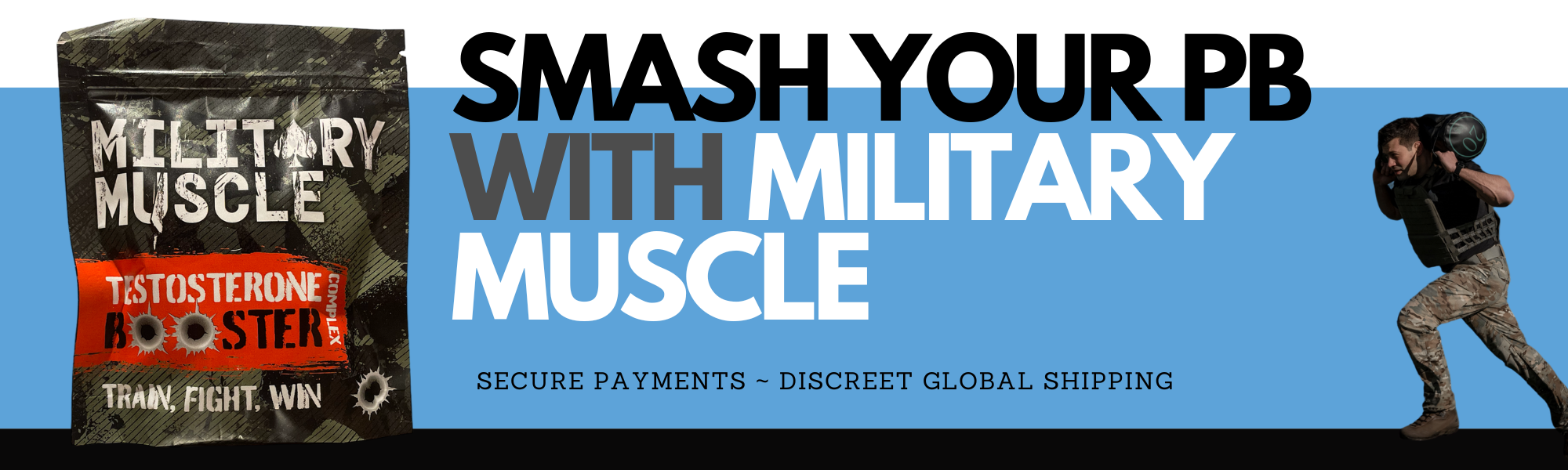
For tactical professionals, competitive athletes, and high-performing individuals who cannot afford a drop in performance, Military Muscle offers a completely transparent, open-label solution.
Our professional-grade formula is engineered to support your natural hormonal architecture and bolster your body's resilience to environmental stress. Utilising a clean matrix of clinically backed adaptogens, essential vitamins, and targeted trace elements, Military Muscle helps balance your cortisol-to-testosterone ratio, accelerates tissue repair, and supports everyday cognitive stamina.
Manufactured exclusively in certified GMP facilities and verified 100% free of banned substances or deceptive proprietary blends, Military Muscle provides the clean, reliable support your endocrine system needs to thrive under pressure and maintain elite operational readiness.
Conclusion
Stress is an inescapable element of life, but allowing it to run unmanaged poses a direct threat to your endocrine health, physical performance, and long-term vitality. By understanding that chronic cortisol elevation systematically locks away your body's ability to produce testosterone, you can treat stress management as a core component of your training strategy. Utilising targeted lifestyle adjustments, structured recovery, and clean nutritional support allows you to control the catabolic cascade, secure your natural androgen baseline, and build a highly resilient foundation for lifelong physical output.