
Does Testosterone Make Voice Deeper?
Written by Ben Bunting: BA, PGCert. (Sport & Exercise Nutrition) // Tactical Physical Training Instructor // Performance Coach
The Physiology of Pitch: How Hormonal Baselines Shape Vocal Resonance
The human voice is one of our most distinct biological signatures. From an evolutionary and anthropological perspective, variations in vocal pitch are deeply intertwined with internal hormonal profiles.
In terms of acoustics, the physical difference between a deeper, lower-frequency voice and a higher-pitched voice is structurally similar to the difference between a cello and a violin. A cello’s thicker strings vibrate slowly to produce a deep, resonant tone, whereas a violin's thinner strings vibrate rapidly to create a higher frequency.
These architectural differences primarily emerge during key developmental milestones, driven by the natural secretion of endogenous androgens.
How the Vocal Mechanism Operates
The vocal mechanism relies on the precise orchestration of muscle tissue, airflow, and structural resonance cavities.
-
The Vocal Folds: These consist of two parallel bands of specialised muscle tissue situated within the larynx, which sits between the base of the tongue and the trachea.
-
Resonance and Modulation: When air is expelled from the lungs, it passes through the vocal folds, causing them to vibrate. These raw sound waves then travel through the mouth, nose, and throat, where they are modulated into a distinct voice.
-
Tension and Pitch: The individual variation in pitch is determined by the tension placed on these folds. Relaxing the vocal folds yields a lower, bass-like frequency, while tensing them produces a higher pitch.
Biological Frequency Benchmarks
The size of the larynx and the thickness of the vocal folds dictate an individual's natural acoustic range, measured in Hertz (Hz):
The Role of Androgens in Vocal Architecture
During puberty, the male larynx undergoes rapid development. The vocal cords grow longer and noticeably thicker. Simultaneously, the surrounding facial bones, sinuses, and the back of the throat expand. This creates a larger acoustic cavity that allows the voice to echo more profoundly, increasing both resonance and natural volume.
Receptors and Hypertrophy
The vocal mechanism expresses a high density of both estrogen and androgen receptors. Natural target hormones, specifically testosterone, interact directly with these receptors to cause physiological shifts:
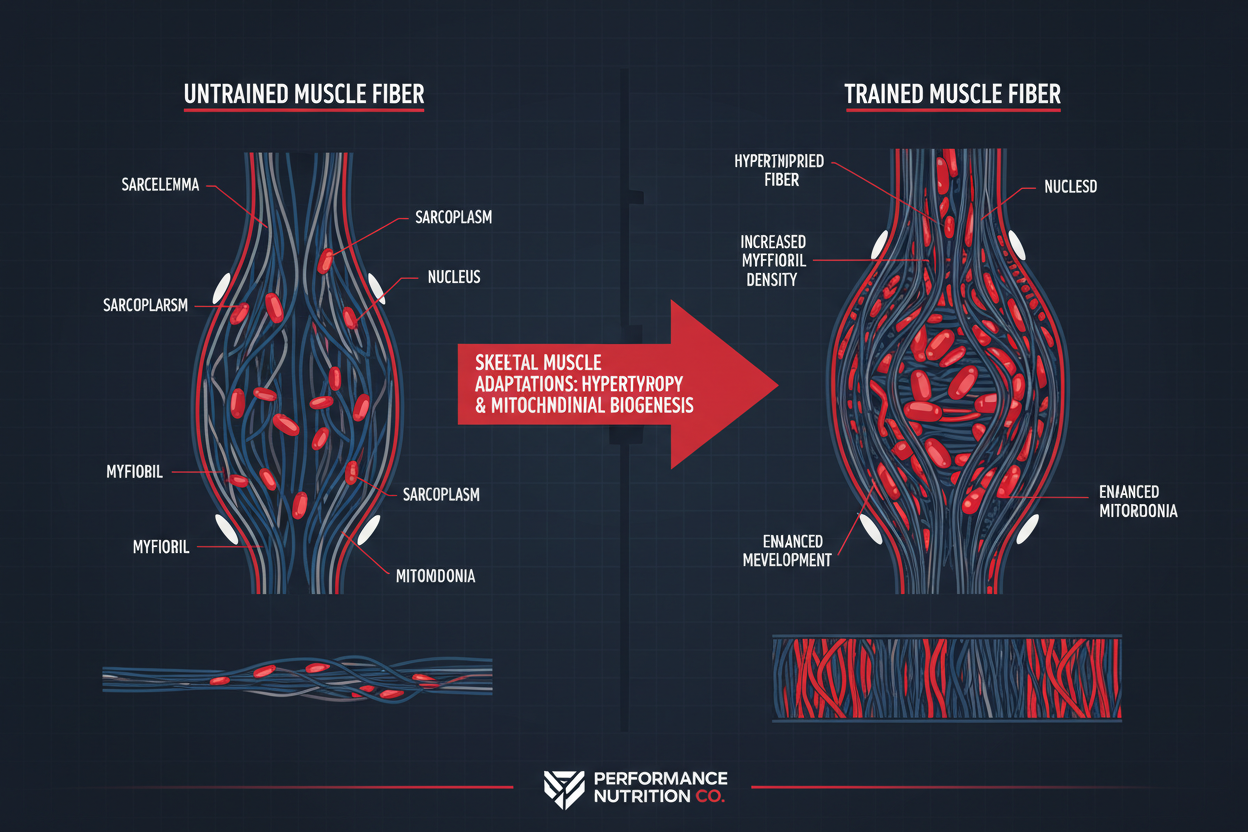
The Mechanics of Vocal Deepening: Androgens stimulate hypertrophy within the thyroarytenoid muscle. This cellular development thickens the innermost layers of the vocal folds, forcing them to vibrate at a lower fundamental frequency.
Anthropological research, including studies by specialists such as David Puts, indicates a clear correlation between robust natural baseline androgen levels and lower vocal pitch in men. Observational data have historically shown that variations in systemic hormone levels—whether through natural maturation, severe environmental stressors, or external therapeutic applications—directly alter the cellular composition and thickness of these tissues.
Conversely, major life transitions that alter baseline hormone ratios, such as menopause in women, can affect the mucous membranes of the larynx, occasionally causing swelling or temporary hoarseness that alters natural acoustic depth.
Behavioural and Evolutionary Perceptions
In human behaviour and evolutionary biology, a deep, resonant voice is often unconsciously associated with physical strength, structural symmetry, and leadership capabilities.
-
Perceived Authority: Studies indicate that lower vocal frequencies are often associated with traits such as confidence, physical dominance, and authority across various professional and social environments.
-
Evolutionary Tracking: Anthropological field studies among traditional hunter-gatherer societies, such as the Hadza community of Northern Tanzania, reveal that men with lower vocal pitch are often perceived as highly effective providers, a trait closely tied to natural vitality and baseline conditioning.
Optimising Endocrine Health and Systemic Recovery
Maintaining your body's natural endocrine baselines is essential for long-term physical capacity, lean muscle preservation, and daily vitality. Rather than relying on synthetic interventions that carry severe health and regulatory risks, active professionals and athletes focus on clean, lifestyle-driven optimisation.
Foundational Factors for Vitality Support:
-
Targeted Resistance Training: Progressive overload signals the neuromuscular system to sustain robust baseline production.
-
Strategic Rest Architecture: Deep, uninterrupted sleep is the primary window for endocrine secretion and cellular tissue repair.
-
Precision Micronutrient Intakes: Ensuring optimal daily ratios of elemental zinc, vitamin D3, and premium botanical adaptogens provides the biochemical building blocks necessary for peak physical performance.
Clean Support for Tactical Readiness
Engineered by military physical training instructors and sports nutritionists, Military Muscle offers an open-label, fully transparent vitality matrix designed to safely and legally support your body's natural baseline production.
Formulated without any banned substances or hidden proprietary blends, our premium complex utilises a multi-action approach. Featuring evidence-informed ingredients such as Zinc, Vitamin K2, and Ashwagandha, it provides robust antioxidant support, enhances nighttime sleep quality, and supports systemic recovery from high-intensity training. Protect your longevity and maintain your competitive edge with a formula built for maximum operational readiness.